Santiago del Teide: What to See, Hiking and Planning Your Visit
Santiago del Teide brings together a small mountain town, almond-growing countryside and volcanic landscapes above Tenerife’s western coast. Come for its church and rural heritage, stay for a walk through the valley, and choose between nearby pottery traditions, Chinyero’s lava fields and the dramatic scenery towards Masca.
In this guide
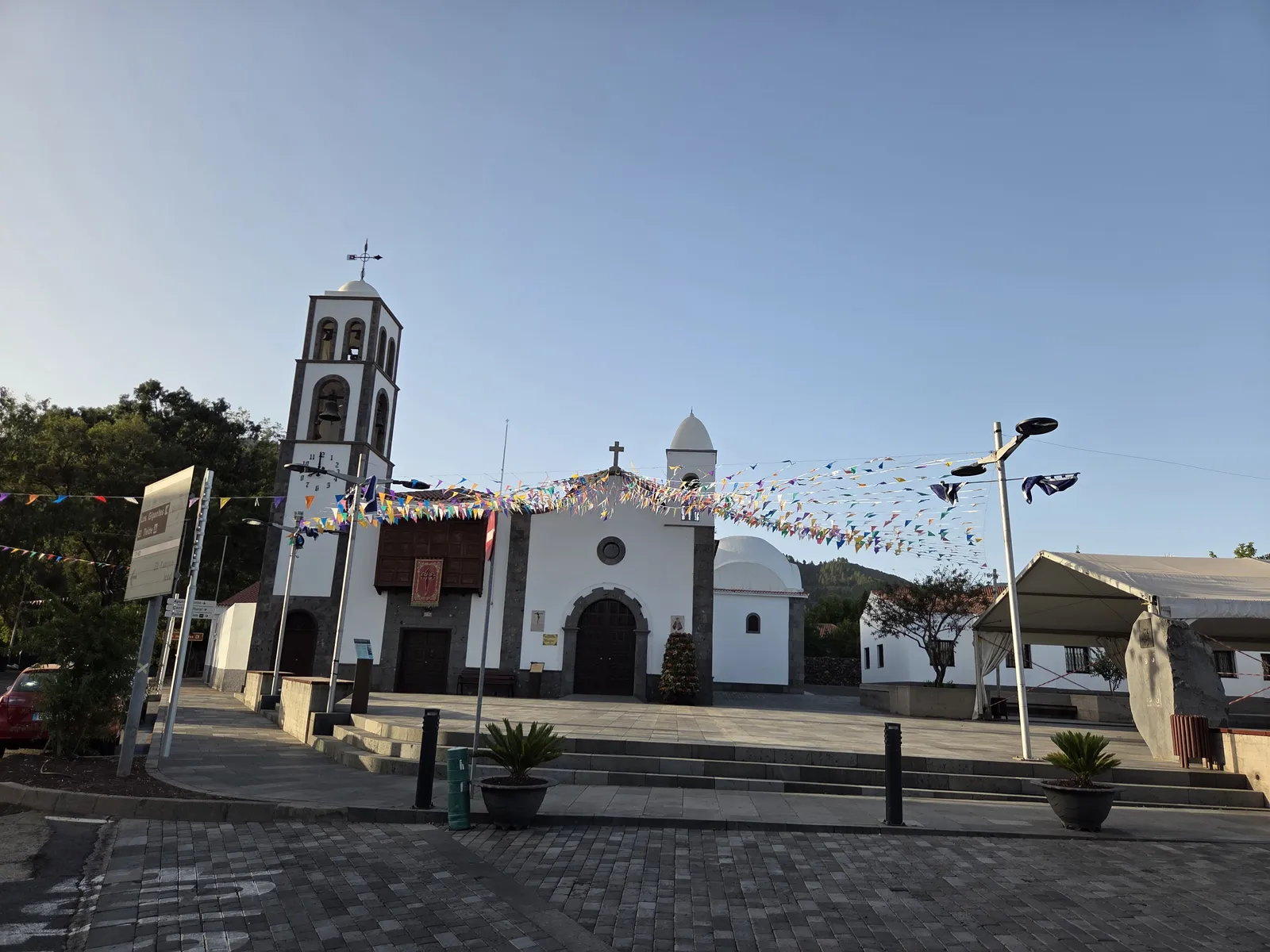
Where is Santiago del Teide?
Santiago del Teide is both the name of an inland town and the wider municipality extending down to Los Gigantes, Puerto de Santiago and Playa de la Arena. The distinction matters when booking accommodation: a hotel advertised within Santiago del Teide may be beside the sea rather than in the mountain town.
The town occupies the Valle de Santiago, around 900 metres above sea level, between the Teno massif and the volcanic uplands towards Teide. It suits visitors looking for village life, walking and a quieter rural setting. For beaches, boat excursions and a wider choice of resort facilities, the coastal settlements are the more convenient base.
What to see in Santiago del Teide town
Begin around the central square and San Fernando Rey church. The white exterior, bell tower and dome make it the town’s most recognisable building; inside are religious sculptures dating from the eighteenth century. Visit respectfully when the church is open, avoiding sightseeing during services.
The surrounding streets reward a gentle stroll rather than a lengthy monument circuit. Look for traditional façades, mountain views between buildings and everyday village activity. Allow roughly an hour for the centre, longer if you stop for coffee or lunch.
Casa del Patio and the Chinyero Visitor Centre
Casa del Patio is an important historic estate associated with the valley’s agricultural past. Its traditional architecture and surviving farming features help explain how wine production and cultivated land shaped local life. The property now accommodates a rural hotel, so do not assume every courtyard or interior is freely accessible.
The Chinyero Visitor Centre adds context before a volcanic walk, introducing Tenerife’s volcanology and the island’s last eruption in 1909. Check current visiting arrangements through the municipal tourism website, particularly if the centre is a main reason for your trip.
Almond blossom, vineyards and Valle de Arriba
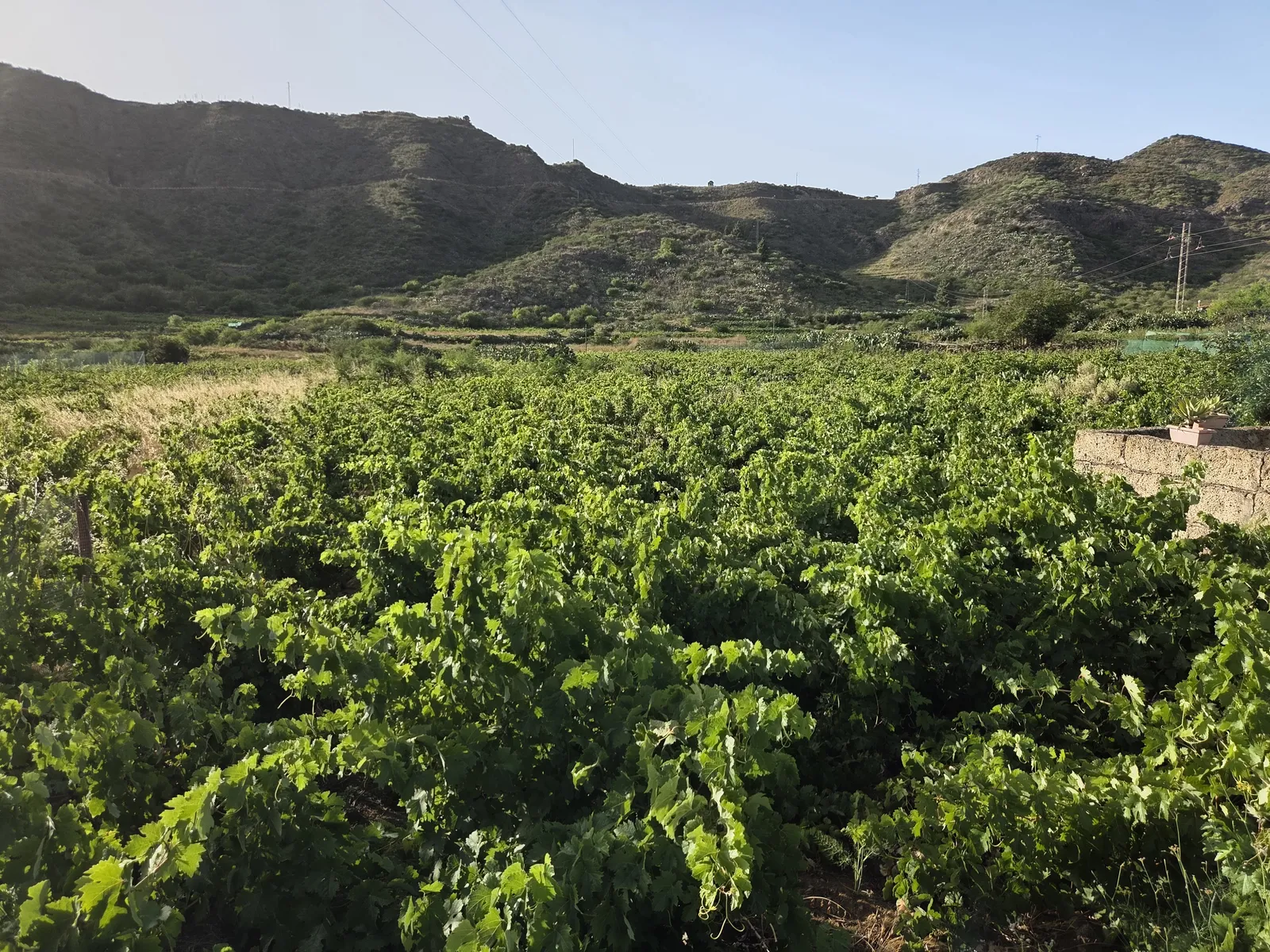
Almond blossom is one of Santiago del Teide’s seasonal highlights. In winter, usually around late January and February, pink and white flowers brighten the cultivated slopes. Timing varies with weather and elevation, so check local flowering updates rather than planning around one guaranteed peak weekend.
The Ruta del Almendro en Flor refers to walks through this landscape, with different starting points and lengths. A short countryside outing and a longer route towards Arguayo are different commitments: choose a mapped itinerary before setting off, particularly if you need transport back.
Valle de Arriba offers another perspective on the area’s farming heritage, with vineyards and small cultivated plots beneath the surrounding ridges. Outside blossom season, the stone walls, vines and contrast between farmland and volcanic ground still make the valley worthwhile. Keep to public paths and leave farm entrances clear.
Hiking around Santiago del Teide and Chinyero
The main choice is between walking directly from the valley and travelling to a separate trailhead. The PR-TF 43.3 links Santiago del Teide with Montaña Chinyero; it should not be confused with the shorter circular walk around the volcano reached from the TF-38 road. Compare the exact route, elevation gain and return arrangements before choosing.
Chinyero’s volcanic landscape
Chinyero erupted in November 1909, leaving black lava and ash beside Canarian pine forest. The circular itinerary offers an especially clear introduction to this landscape. Stay on marked paths: climbing the volcanic cone is prohibited within the protected reserve.
For a different landscape, consider the paths around El Molledo, including the PR-TF 65.3 towards Degollada del Roque and the route towards Risco Blanco. These explore old rural paths and views into Teno’s rugged terrain. A distance shown for a linear trail does not include retracing your steps.
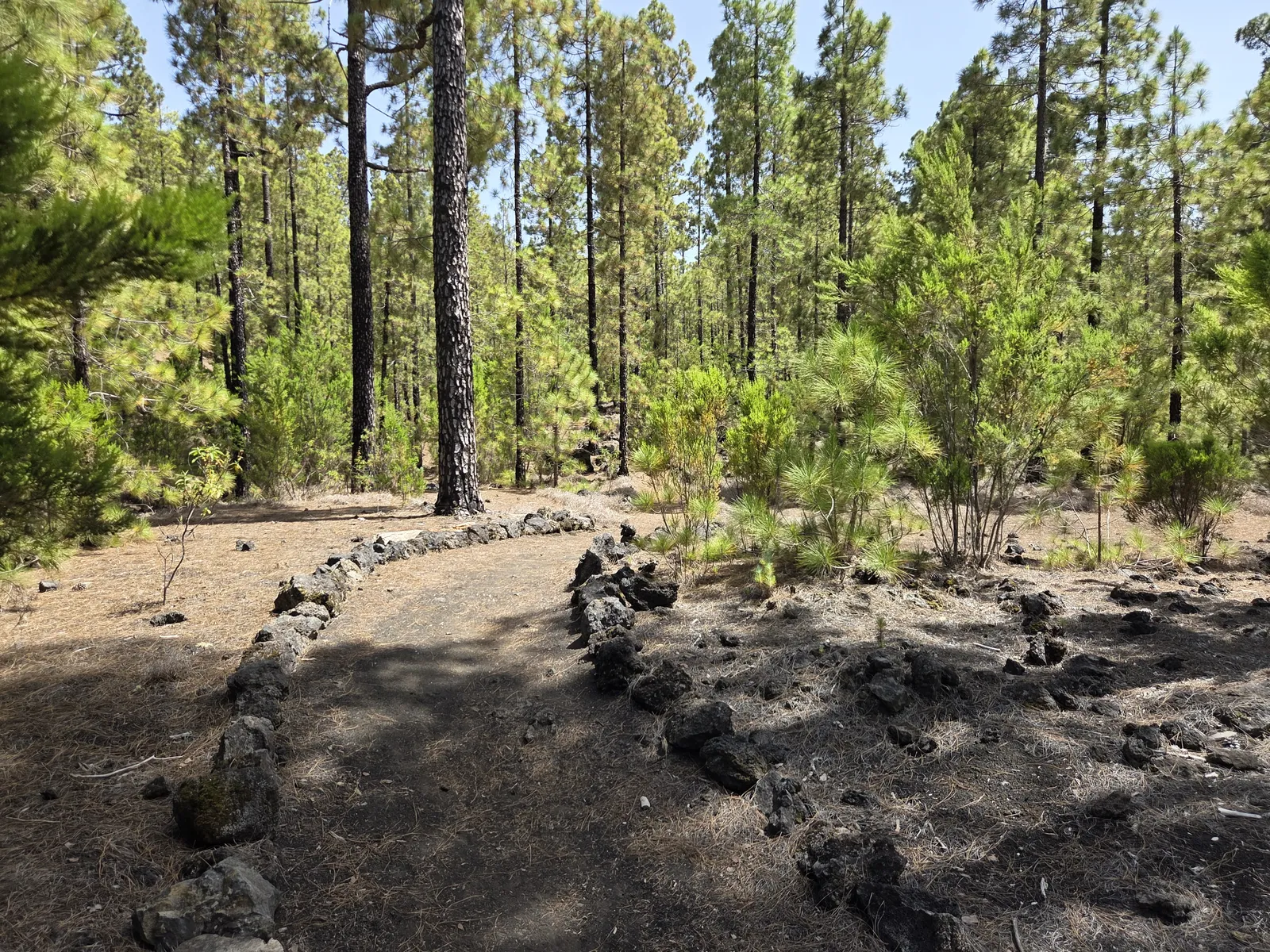
Use Tenerife ON to check route descriptions and current access alerts. Wear shoes with grip, carry water and sun protection, and bring a layer for wind or cooler weather. Heat, strong winds and fire-risk restrictions can change an otherwise reasonable plan.
Nearby places worth combining with your visit
Arguayo and traditional pottery
Arguayo, roughly five kilometres from the town, is the strongest nearby cultural addition. The Cha Domitila Pottery Centre and Ethnographic Museum introduces traditional Canarian pottery in a restored local house. It adds substance to a village visit without requiring a full hiking day. Check opening arrangements on its official tourism page.
Masca, viewpoints and the coast
The TF-436 leads towards Mirador de Cherfe and Masca, which lies in the neighbouring municipality of Buenavista del Norte. This is a scenic mountain-road excursion, with bends and limited stopping space. Visiting Masca village is separate from hiking its regulated ravine; check the official Masca trail website for booking and access requirements.
Alternatively, descend towards Los Gigantes for cliff views or Playa de la Arena for the coast. These make a useful mountain-and-sea combination, but adding a boat trip as well can leave little time for the town or countryside.
Getting here, parking and the best time to visit
By car, Santiago del Teide is reached from the TF-1 and the surrounding TF-82 road network. Follow current signs around roadworks. Use permitted parking spaces in town, avoiding private entrances and bus stops; blossom-season weekends can be busier than an ordinary weekday.
For public transport, TITSA routes 460 and 464 connect with Costa Adeje, while route 325 links Puerto de la Cruz, Icod de los Vinos and the Los Gigantes area through Santiago del Teide. Check your particular departure on the TITSA website. Roadworks have prompted stop changes, so confirm the boarding location and return service as well as the timetable.
Winter brings blossom opportunities; spring and autumn often suit walking. The inland town can feel substantially cooler than the coast. For summer hikes, start early and check the mountain forecast rather than relying on beach conditions.
How to plan a rewarding day
For a relaxed half-day, explore the church area, visit the Chinyero Visitor Centre if available, and continue to Arguayo. For a walking day, choose one substantial trail and leave time for a meal afterwards. A family visit can centre on the town and pottery museum, with a short countryside walk selected for everyone’s ability.
Santiago del Teide works best when you give its inland landscape time. Choose one main addition—volcanic hiking, village heritage or a coastal stop—and enjoy the connection between them without trying to fit every attraction into one day.