La Laguna, Tenerife: What to See in the Historic Old Town
San Cristóbal de La Laguna brings together colourful townhouses, stone church towers, traditional courtyards and streets filled with cafés and university life. Tenerife’s former capital rewards an unhurried walk, with enough museums, architecture and local food to fill a half-day or a leisurely full day.
In this guide
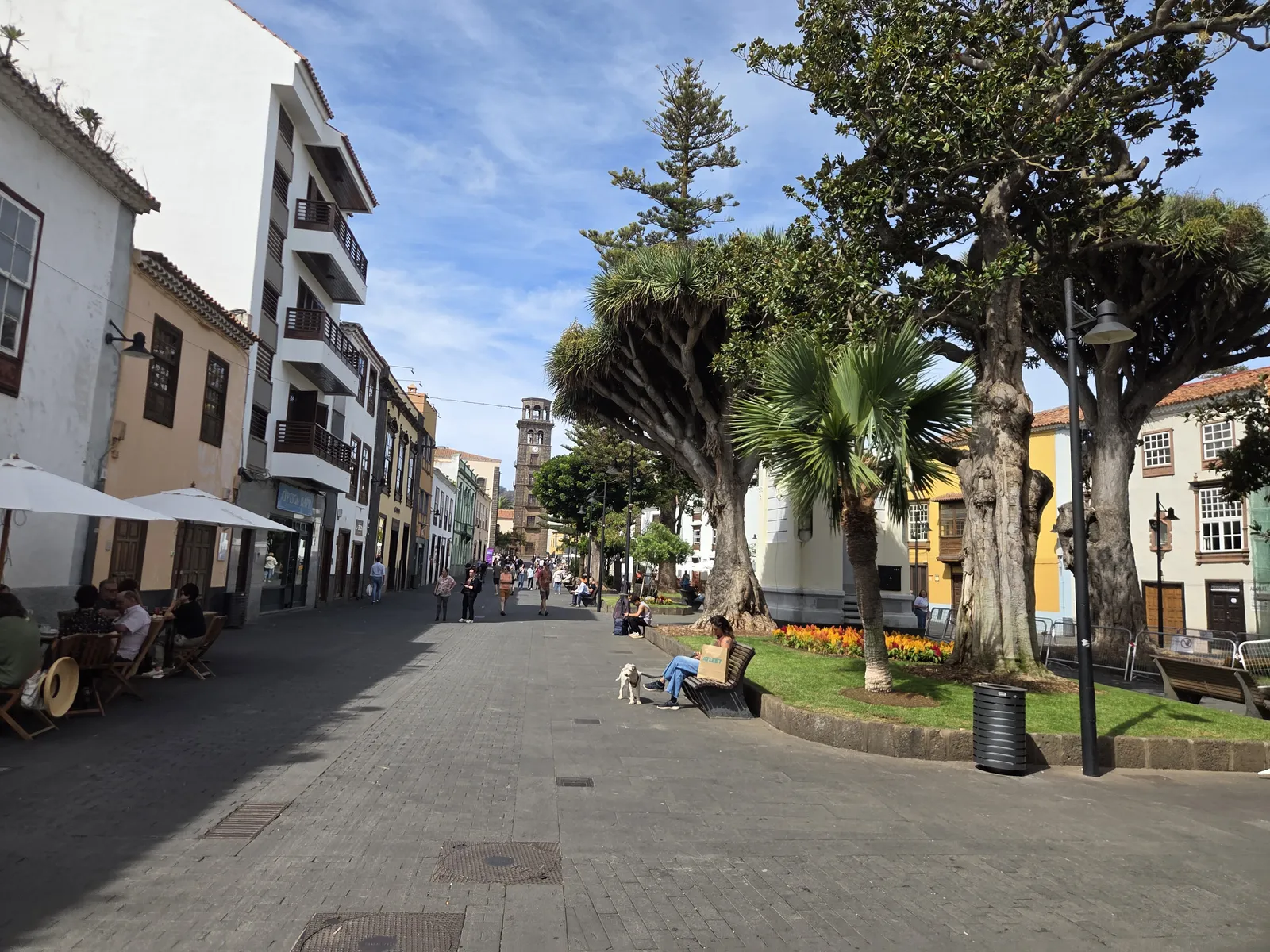
Why visit La Laguna?
La Laguna stands inland in northeastern Tenerife, around 550 metres above sea level. Its historic centre received UNESCO World Heritage status in 1999, recognising both its architecture and an urban layout that influenced Spanish colonial towns in the Americas. The older settlement around La Concepción contrasts with the more regular streets extending towards Plaza del Adelantado.
This is a living university city, with bookshops, neighbourhood businesses and busy terraces among the monuments. Come for architecture and culture rather than beaches or sweeping ocean views. Allow three to four hours for a first visit, or longer if you want museum interiors and a relaxed lunch.
Plaza del Adelantado and its historic buildings
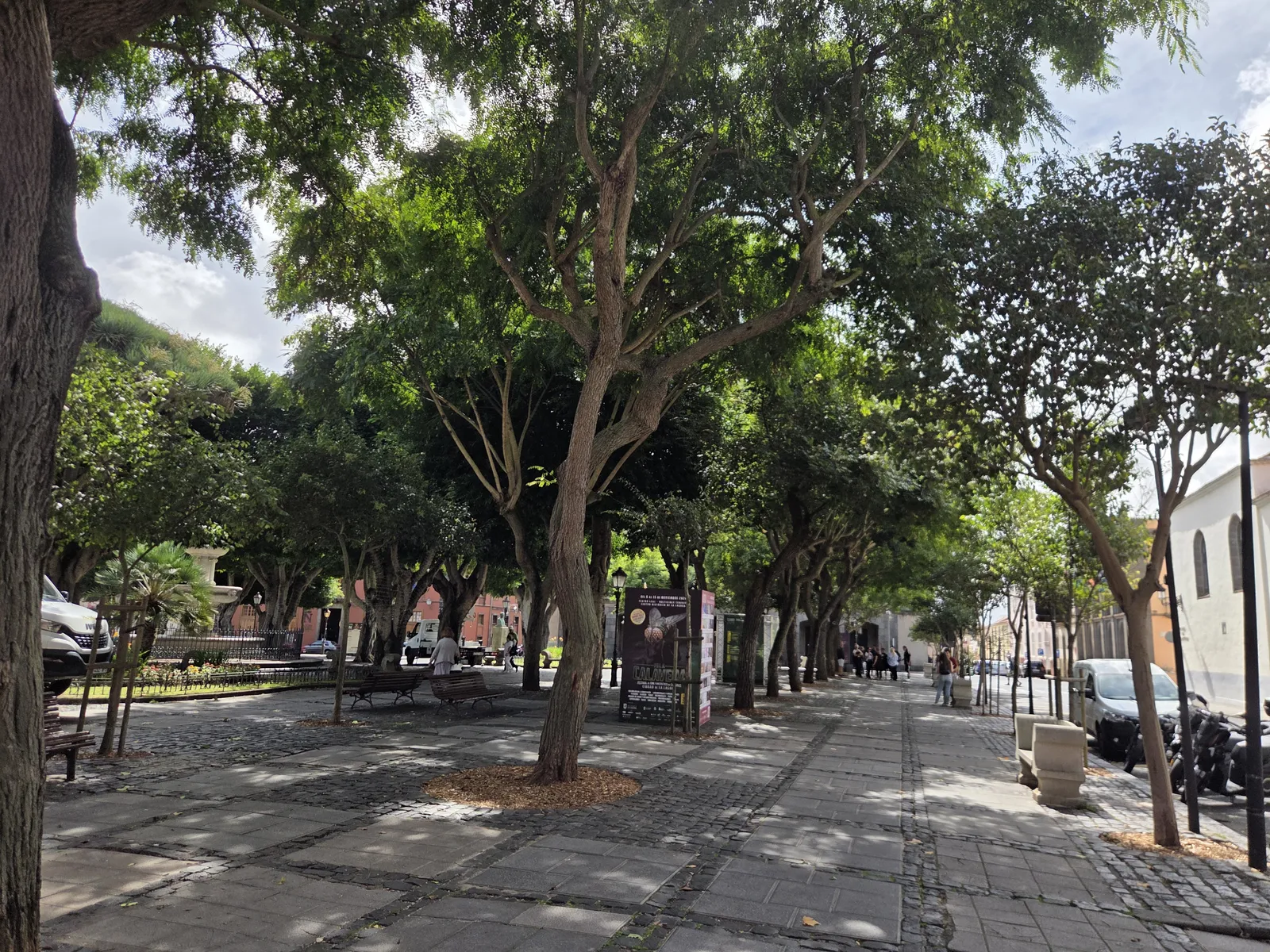
Plaza del Adelantado makes a useful starting point. Trees, benches and a central fountain provide a pause between streets, while the surrounding buildings introduce the city’s former political and religious importance. Look for the town hall, Palacio de Nava, the small Ermita de San Miguel and the adjoining Convento de Santa Catalina de Siena.
Nearby, Casa de los Capitanes houses the tourist information office, useful for checking guided walks and current visiting arrangements. Building interiors have different opening schedules: treat the square as an architectural ensemble, then choose which accessible interiors interest you. Santo Domingo’s church and former convent make a worthwhile short detour south of the square.
The cathedral and Iglesia de la Concepción
Follow Calle Obispo Rey Redondo, also known as Calle La Carrera, towards the Cathedral of Nuestra Señora de los Remedios. Its neoclassical façade faces a small square, while the interior largely reflects an early twentieth-century reconstruction. The cathedral and La Concepción are separate churches, both worth including in a first walk.
Continue west to Iglesia de Nuestra Señora de la Concepción, whose freestanding stone tower is one of La Laguna’s clearest landmarks. The surrounding squares and pedestrian streets offer particularly pleasant places to stop for coffee. If tower access is available during your visit, check admission and stair requirements locally. Church sightseeing may pause for worship, and individual interiors can require tickets.
Calle San Agustín: mansions, courtyards and museums
Calle San Agustín deserves a slow walk for its doorways, carved stonework and traditional houses. Highlights include Palacio Salazar, Casa Lercaro and the former Convento de San Agustín. Look beyond the façades where public access is permitted: courtyards and wooden galleries reveal how these substantial buildings were organised.
Casa Lercaro is the strongest museum choice for understanding the city’s wider context. It houses part of Tenerife’s Museum of History and Anthropology, exploring the island’s development from the fifteenth to twentieth centuries inside a historic merchant residence. Allow roughly an hour rather than treating it as a quick doorway stop.
The museum currently lists general adult admission at €5 and Canary Islands resident admission at €3, with free entry on Friday and Saturday afternoons from 16:00; holiday arrangements differ. Check the official Casa Lercaro visitor information before planning around a particular opening or concession.
Plaza del Cristo, the sanctuary and market
North of the central streets, Plaza del Cristo adds a different side of La Laguna. The Royal Sanctuary of Santísimo Cristo houses one of the Canary Islands’ most venerated religious images. It remains an active place of worship, so enter quietly and respect services.
The neighbouring municipal market is a useful morning stop for fruit, vegetables, flowers, fish and other local products. It complements the monumental centre with everyday shopping rather than another historic interior. Visit earlier in the day for the best chance of seeing active stalls, and check individual opening arrangements if the market is a priority.
Where to pause, and when the city celebrates
The streets around La Concepción, Calle Herradores and the cathedral offer plenty of cafés and restaurants within the walking area. Compare displayed menus for a light lunch or Canarian dishes such as papas arrugadas with mojo. University life also gives the centre an evening atmosphere that a brief morning tour misses.
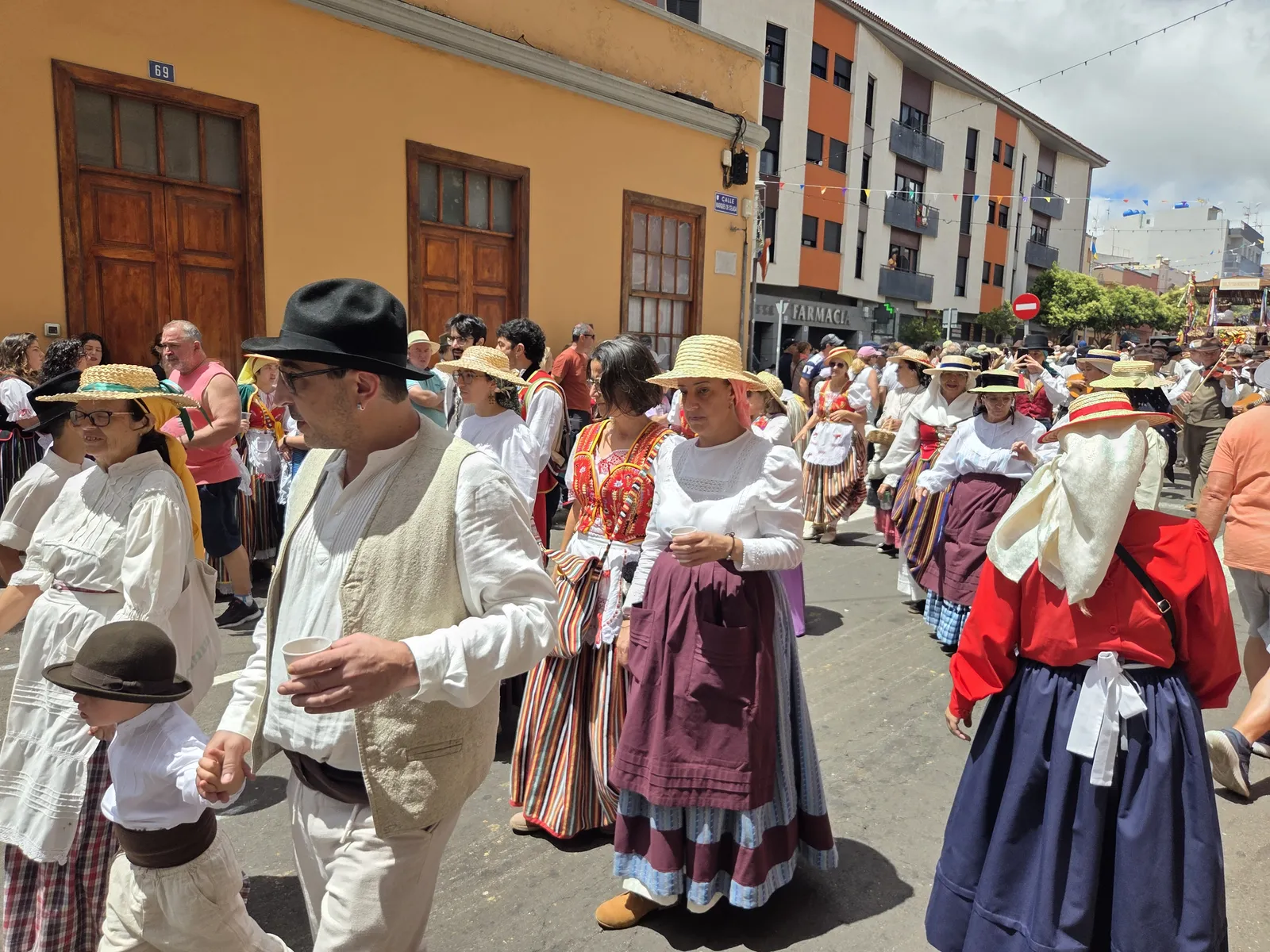
La Laguna’s major celebrations include Holy Week, the September festivities honouring the Cristo and the Romería de San Benito Abad. Traditionally held on the second Sunday of July, the romería brings traditional dress, decorated carts and folk music into the streets. Consult the municipal tourism information for each edition’s programme and route; crowds and traffic changes can reshape an ordinary sightseeing day.
A practical half-day walking route
From the La Trinidad tram terminus, walk to Plaza del Adelantado, then follow Calle La Carrera past the cathedral to La Concepción. Return east along Calle San Agustín, visiting Casa Lercaro if it interests you, before turning north towards Plaza del Cristo and the market. Finish with lunch back in the pedestrian centre. If shopping at the market matters most, reverse the order and visit it first.
With a full day, add more interiors or the Museum of Science and the Cosmos, outside the old town and served by its own tram stop. Santa Cruz is an easy contrasting combination by tram. Anaga requires separate transport planning and enough daylight; avoid squeezing a substantial mountain outing into the end of a museum-filled day.
Getting to La Laguna and planning your visit
From Santa Cruz, tram Line 1 runs between Intercambiador and La Trinidad, a short walk from the historic centre. The complete journey takes approximately 40 minutes. Check Metrotenerife for current services. For buses from other parts of Tenerife, compare connections to La Laguna’s interchange using TITSA; allow additional travel time from the southern resorts.
If driving, use a public car park on the edge of the centre, such as Quinteras, rather than searching the pedestrian streets. Charges and availability vary. The central walk is comparatively level, although uneven paving, thresholds and steps can affect access to historic interiors.
Bring a light jacket and rain protection: La Laguna can feel considerably cooler and damper than the coast. Comfortable shoes help on stone paving. For a first visit, give the old town an unrushed half-day, choosing one museum and leaving time to enjoy the streets between the landmarks.